Money Matters Episode 344- Slow Down to Go Faster with Ralph Simone
What if the reason you feel exhausted, overwhelmed, and constantly behind is because you’ve been taught that faster always means better?
In this episode of Money Matters, Christopher Hensley sits down with executive coach and author Ralph Simone to discuss the ideas behind his book Slow Down to Go Faster. Together, they explore burnout, hustle culture, leadership, productivity, and the importance of intentional pauses in both business and life.
Ralph shares lessons from decades of coaching leaders and entrepreneurs, explaining why many high achievers struggle to disconnect, recharge, and think strategically. From martial arts philosophy and business leadership to stress management and sustainable success, this conversation is packed with practical wisdom for anyone trying to perform at a high level without burning out.
Topics discussed include:
Burnout and overwhelm in modern work culture
Why slowing down can improve productivity
Leadership and intentional decision-making
Strategic pauses and better performance
Building resilience and long-term success
Work-life balance for entrepreneurs and executives
The hidden cost of nonstop hustle
Why being busy isn’t always being effective
If you’re a business owner, executive, entrepreneur, or professional looking for a healthier and more sustainable path to success, this episode is for you.
Guest: Ralph Simone
Book: Slow Down to Go Faster

 Spotify
 Pandora
 Apple Podcasts
 RSS Feed
 What if the reason you feel exhausted, overwhelmed, and constantly behind is because you’ve been taught that faster always means better?
In this episode of Money Matters, Christopher Hensley sits down with executive coach and author Ralph Simone to discuss the ideas behind his book Slow Down to Go Faster. Together, they explore burnout, hustle culture, leadership, productivity, and the importance of intentional pauses in both business and life.
Ralph shares lessons from decades of coaching leaders and entrepreneurs, explaining why many high achievers struggle to disconnect, recharge, and think strategically. From martial arts philosophy and business leadership to stress management and sustainable success, this conversation is packed with practical wisdom for anyone trying to perform at a high level without burning out.
Topics discussed include:
-
Burnout and overwhelm in modern work culture
-
Why slowing down can improve productivity
-
Leadership and intentional decision-making
-
Strategic pauses and better performance
-
Building resilience and long-term success
-
Work-life balance for entrepreneurs and executives
-
The hidden cost of nonstop hustle
-
Why being busy isn’t always being effective
If you’re a business owner, executive, entrepreneur, or professional looking for a healthier and more sustainable path to success, this episode is for you.
Guest: Ralph Simone
Book: Slow Down to Go Faster
Christopher Hensley RICP, CES: [00:00:00] What if the reason you're exhausted, overwhelmed, and constantly chasing the next thing is because you've been taught that faster always means better? Today on Money Matters, I'm joined by executive coach and author Ralph Simone, and this conversation might completely change the way you think about success, productivity, and performance.
Christopher Hensley RICP, CES: Ralph's book, Slow Down to Go Faster, flips the script on hustle culture and reveals why the highest performers aren't always the busiest people in the room. We talk about burnout, leadership, decision-making, and the hidden cost of constantly operating in reaction mode. If you're building a business, leading a team, managing wealth, or simply trying to keep up in a nonstop world, this episode is for you.
Christopher Hensley RICP, CES: This is Money Matters, and it starts right now. Ralph, thank you so much for, coming on the show today.
Ralph Simone: Chris, I appreciate you having me. Thank you.
Christopher Hensley RICP, CES: Absolutely, and, and, you know, we were talking before that we hit record here, and [00:01:00] I, this is truly one of those, uh, uh, word of mouth type things. So, uh, I- I- I'll mention this right away at the beginning here. Uh, my wife Heather went to a, uh, a leadership retreat last week. It was in New York, and she had nothing, uh, but good things to say about your book, uh, Slow Down to Go Faster, which was part of the content there at the, the leadership retreat.
Christopher Hensley RICP, CES: So, um, I said, "You know what?" There was a couple things she mentioned. She mentioned that you co-authored or, or, or there was some co-writing here with Rennie, who is your son, and I just recently published a book in April and, uh, my son did some of the stuff. And so I said, "You know what? There's some connection points here."
Christopher Hensley RICP, CES: So I- I'm very, uh, uh, thankful that you, you took the invite here. Let's just dive right into it. Uh, why did you write the book Slow Down to Go Faster?
Ralph Simone: Well, it's, it's, uh, been a long time coming, and I, I wrote it because I o- I've often thought there's gotta be a better way to live and work. [00:02:00] And, uh, my early career, I came out of public accounting and consulting, I had some early success, but I saw that it was gonna be a grind for a lot longer than, than I was interested in grinding it out. uh I quit my job um with no no job no no work and I started my own business and this was back in uh November of 1991 And I've been thirty-five years working on figuring out a better way and I keep tweaking it
Christopher Hensley RICP, CES: Yeah.
Ralph Simone: learn a lot more that helps me apply some of these principles in a in a an impactful way
Christopher Hensley RICP, CES: I love it. I love it. Now, the book, its title is Slow Down to Go Faster. Now, that sounds almost contradictory in today's hustle culture. What inspired that message?
Ralph Simone: So I was inspired on that [00:03:00] message by the philosopher and martial artist Chuck Norris In
Christopher Hensley RICP, CES: Wow, I love it.
Ralph Simone: I wrote uh read his book in the one of his books in the early nineties I think it's called The Secret Within
Ralph Simone: And he talked about a... He shared a story of a sparring match he had with Bruce Lee And for the listeners that that aren't familiar with the martial arts both men were talented but Bruce Lee was probably the more talented the quicker of the two martial artists And in a in one of the sparring matches Lee was frustrated because he couldn't land any kicks He wasn't able to block the uh punches of Norris And and after the match he was lamenting He goes I was just I just couldn't land anything And Chuck Norris looked at him he said You were going too fast need to slow down to go faster And so that was the [00:04:00] inspiration for the book It appears in the first chapter Uh happened to be reading the book when I was training for my first degree black belt and it's it was sticky for me Chris It was really sticky
Christopher Hensley RICP, CES: Wow. Wow. That, that, that is a image there. Anybody who has to-- are, are, are giving, uh, Bruce Lee a run for his money, you gotta pay attention to that for
Ralph Simone: Absolutely.
Christopher Hensley RICP, CES: I love that. Uh, many leaders feel constant pressure to move faster and do more. How do you know when speeding up is actually hurting performance?
Ralph Simone: Uh uh that's a great question and I think part of it is you gotta build pauses in and throughout your day so that you can witness on whether the pace you're moving is having an impact or not You know I I have to I I I smile at this because I have to remind some people it's not slow down to go slower slow down to go faster We're looking to have a bigger [00:05:00] impact And I think when we uh in terms of uh physical fitness in terms of relationship building in terms of aligning strategy some of those require more of an investment in energy than we're often willing to make And and at at some point we pay the price for not investing that time and energy along the way
Christopher Hensley RICP, CES: So you shared with listeners those pauses throughout the day, the idea of it's not slow down to go slow, it's slow down to go fast, right? A-and you mentioned things like, like, um, not just our professional life, but also relationships, um, things that you wouldn't intuitively think, hey, you're gonna have to go slower for these things.
Christopher Hensley RICP, CES: But, um, I think that's very strong, uh, very important to, to, to know. What does slowing down practically look like for busy executives, entrepreneurs, or [00:06:00] professionals who already feel overwhelmed?
Ralph Simone: Yeah that's a great question I think it it starts with uh something I learned from uh Dan Sullivan who's out of Toronto called The Strategic Coach Dan would talk about working in the business working on the business and spending time out of the business And I think for senior level executives business owners it's intentionally spending more time on the business the strategy part the vision the relationship building But it's also spending enough time out of the business so that you can bring a fresh and healthy perspective to where you wanna go next And I think Gerber also uh wrote in The E-Myth how entrepreneurs and sometimes senior leaders they spend too much time in the business and they lose a sense of perspective They lose a sense of context [00:07:00] And then they may be moving fast and working hard but at a very high energetic cost
Christopher Hensley RICP, CES: Wow, I, I, I can relate to this. H- hearing this, uh, Michael Ger- you know, you mentioned the book, uh, E-Myth by Michael Gerber. I think that's a, checking b- the box for a lot of entrepreneurs. That's one of those books you read right away when you get started in business. There, you, you talked about Dan Sullivan being in the business, taking time to be out of the business.
Christopher Hensley RICP, CES: But some of those high-performance, over-functioning , uh, people need to be told that. Sometimes you gotta grab us by the shoulders and sit us down. Uh, you know, that, that's just how a lot of them are wired, so this is, this is great news to my ears here. Um
Ralph Simone: a and the biology of this is that um when we're on go all the time if we're on all the time we're activating the sympathetic nervous system so we're in this fight or flight mode and we're not counterbalancing it the [00:08:00] parasympathetic nervous system we're always on And certainly technology while a beautiful thing has made us on even more than we used to And so I think it's being intentional about creating those off times so that you can re-energize replenish your energy
Christopher Hensley RICP, CES: I love that. I've got a whole list of questions I wanna ask you, but the technology thing, boy, that's, that's something that's in our face every day, right? We've got our phones buzzing at us, we've got the internet, we've got TV. Um, and so this is, th- your book is very, it's, it's, you know, timely. Uh, but for this overwhelm that people are getting with technology, I think it's super important.
Christopher Hensley RICP, CES: I'm gonna pivot a little bit and, and get back into your experience about coaching leaders, because that was, uh, you know, Heather came out as a leadership retreat, and I was like, "Man, this sounds like good stuff. I wanna hear more about it." Um, in your experience coaching leaders, what are the biggest mistakes [00:09:00] people make when trying to improve productivity and performance?
Ralph Simone: Uh wow So I think uh they move too fast
Ralph Simone: They're almost too quick to action They don't spend enough time clarifying and ensuring there's understanding and alignment on where they're going or where they want the organization to go And uh I think they fail to miss some of the opportunities in messaging from people who are either complaining about being overworked or burned out There's something there right There's something that suggests we ought to look at the pace And I think the You can achieve a lot um as a driver You can achieve a lot throwing hours at it at what energetic cost, and is it sustainable? So I think, uh, I think they make the mistake of not [00:10:00] looking at it from a systems perspective.
Christopher Hensley RICP, CES: Mm-hmm.
Ralph Simone: I think we also make mistakes by not looking at both/and. How do we go slow and fast? How are we both strategic and tactical? How do we focus on relationships and task? And I think the, the one thing that, uh, the conjunction of and in place of or, I think would help leaders, uh, manage their businesses much differently.
Christopher Hensley RICP, CES: So we're gonna work backwards here. So
Ralph Simone: Sure.
Christopher Hensley RICP, CES: Not giving up on one thing to offset the other, right? It can be both. You can build the relationships, but you can also be a strategic thinker. You can have the systems in place without...
Christopher Hensley RICP, CES: And, and, and lean into your driver, but don't give up on the, the signals we're getting from somebody who might be not, uh, leadership up or across level, down level. These are free signals that we're getting, right? And there's value, and we [00:11:00] should be curious when we hear, hear these, these, uh, call it say complaints, right?
Christopher Hensley RICP, CES: Uh, there's truth to them. What, what i- what can we get from that? And you shared with us, you know, that mistake of, uh, moving too fast and not stopping to get clarity, some meaning. What is this all about, right? Uh, very, very important stuff here for listeners. Now, you talk about the power of pausing. Can you share an example where stepping back led to a breakthrough or better decision?
Ralph Simone: I can think of a couple. Uh, uh, you know, one of... I'll start with my training in the martial arts. So when you get trained in the martial arts, when you get attacked, you need to be able to break that attack. If somebody grabs you, you need to be able to break it, right? counter. But the very next move is to step back, to create some space between yourself and the [00:12:00] attacker so that y- so that both of you can make a choice, right?
Ralph Simone: What's the next move? So that's a personal example. y- you know, i- i- in business, I think it's, um, you know, we take a couple weeks to think about what our strategy for the next three years are. Um, and instead of hitting the ground running, we, we invest the time and energy, uh, and then quarterly check in to see how we're doing.
Ralph Simone: So I think these pauses, they're intentional pauses that ensure a couple things. Is, is our ladder leaning against the right wall, and are we moving up it at the rate and speed that we think we should? so, uh, process improvement, Kaizen events, these are all things that a- absolute... Financial planning. Uh, you know, I've been, uh, working a long time.
Ralph Simone: I could have stopped maybe 10 years ago [00:13:00] because I created the plan and then executed the plan that allowed for, you know, financial stability. And I think, um, when I started my business, I quit with nothing. I, I didn't have a job. I, I, I was standing up my own business, but I had two years of salary in the bank. And
Christopher Hensley RICP, CES: Wow
Ralph Simone: I didn't need to sell a single job. And so I think those are examples, you know, in saving, save for a rainy day. But you're, you're putting something in the bank so that you can draw on it if needed later. think savings is a wonderful example of slowing down to go faster and investing
Christopher Hensley RICP, CES: Absolutely. Having that, uh, kitty or the, the, the nest egg to, to pull from when you're s- starting up in a business, I'd know for our salespeople out there, um, there is that, uh, that kinda magic pool that when you, uh, absolutely need it and you're [00:14:00] hungry for it, it's not gonna work. But if you've, if you've taken the time, saving up for it and putting that aside and having the funds there, uh, things happen, and so that's, that's super important.
Christopher Hensley RICP, CES: You talked about having the ladder on the right wall. You talked about, uh, uh, taking that pause and stepping back, and maybe it's not a 30-day plan. Maybe it's not a 90-day plan. The example you used was three years. It's like, let's look at a three-year plan for what we're gonna do, and then having those quarterly check-ins and the idea of a financial plan, putting a plan together before you take action and move.
Christopher Hensley RICP, CES: Uh, those ideas, uh, fit very well with that idea of taking a pause. Stress and burnout have become major issues in the workplace. Why do you think so many high achievers struggle to disconnect and recharge?
Ralph Simone: Well, I think they're, um... Fundamentally, I think they're afraid that they [00:15:00] are gonna-- death, in that they're running out of time. So fundamentally, I think the pressure of all of this stuff to do and not enough time to get it done. So I think that's, uh, where it starts. Um, I also think they haven't had the experience to see a bigger impact by experimenting with different thinking and behavior. Uh, since 1991, I have taken six weeks off a year, since the start. And somebody said, "How do you do it?" I said, "Lookit, we make our
Christopher Hensley RICP, CES: Yeah.
Ralph Simone: week year." And I've taken that, you know, that time off so that... You know, I will be seventy years old next year. Um, I still got a lot of energy. still think I got a lot of runway in the tank, but part of that is because I didn't, uh, [00:16:00] overextend myself along the way, and that doesn't mean I didn't work hard. But it just is that I was very cognizant of resiliency. You know, preparing for, uh, stress, preparing for and being able to deal with stressful situations as they occur, and those are the moments of pause. That's the daily meditation. You know, I-- my morning ritual is two hours. up quite early, and two hours in before I take a look at my phone.
Christopher Hensley RICP, CES: Wow.
Ralph Simone: and I'm not training for a marathon. I'm not, you know... But I'm- 30 minutes on the elliptical. Uh, I'm eating a little bit better. So I think it's-- those are the
Ralph Simone: pauses that we're talking about, and, um, so that we have the energy and the recovery when life upsets confront us.
Ralph Simone: And, and I think to, to me, um, yeah, I'm, I'm [00:17:00] really excited that I'm still able to work. I'm really excited that I'm still able to make a small contribution. But I don't think it's by accident. I mean, certainly blessed, right, with health, but I don't think it's by accident. I think the energy is there because I have, uh, paused along the way, along the journey.
Christopher Hensley RICP, CES: . Well, first of all, if you're 70 and you're able to take o- off this much time a year, we need to be listening to that. I love that, and I hear y- intention. Uh, it's not a, uh, thing that just happened. You're, you're with intention. You're having morning, uh, uh, time that you've set aside for yourself of two hours a day to lean into these things that, that recharge your battery for the day, for the week, for the month.
Christopher Hensley RICP, CES: Um, I did not expect, uh, the first answer to be being afraid of death, and I get that. A- a- as a male who just hit 52, uh, the idea of legacy and what, what are we gonna leave behind, that, I think that drives [00:18:00] a lot of things for, for people out there, whether we admit it or not. That's weird.
Ralph Simone: and it propels us to do some things that perhaps we wouldn't. Um, but I think that's where I've come in my own thinking that, uh, when I start to rush, and, and this may be me projecting, it's because I'm thinking my time is, you know, not infinite. And at some time, the clock runs out, and so I wanna get this done. I wanna get this in. And, and it's really managing that tension because sometimes you do need to go faster. Sometimes... I tell my kids, "Sometimes you gotta go fast to go faster." You gotta do something. But what are the indicators that you're moving either too fast or too slow? And notice those indicators you're dissatisfied with the outcomes.
Christopher Hensley RICP, CES: I [00:19:00] love that.
Ralph Simone: requires us to be more witnesses of ourselves and how we feel moment to moment, day to day, week to week. if we're paying attention, if we're tuned in, we know first when things are off
Christopher Hensley RICP, CES: So not, not ignoring that internal voice that we ... I- it's, it's gonna come up. We're gonna see it if we're listening there. That idea there. Um, was there a personal moment or experience in your own life that changed the way you think about success, balance, and performance?
Ralph Simone: Uh, there's probably a couple, but I think, you know, one of them was that I, I realized when I was working in the big, uh, eight accounting and consulting that, um, no matter how much I worked, no matter how much I had, there would always be someone who had more. So I [00:20:00] needed to come to grips with what was enough for me. And, um, and I saw a lot of people who were making tremendous amounts of money who did not seem happy. That doesn't mean you can't be happy with lots of money, by the way. It's an and, not an or. But that, hit me in a way that said, "So what, what really brings me joy? And what will it take for me to know I am enough, I have enough, and I'm doing enough?" I was struck early by, um, a lot of people were seeming to do a lot in the name of happiness, didn't seem all too happy. And, and so I said, "There's something there, and I wanna look at it." I remember when I, when I, uh, left, uh, and started my own business, a lot of people misread it and they, they thought, well, to make more money.
Ralph Simone: And, and I made enough money, so I'm not-- There's nothing... I have nothing against making money, but that's not the reason [00:21:00] I started my own business. I started my own business so that I could, um, really be in the activities that matter most when they matter most. So I was driving more about, uh, what I worked on, when I worked, how I did it, and that really, really changed my life i-in ways that are hard to explain at times.
Christopher Hensley RICP, CES: , You know, as a financial advisor by trade, and I work primarily with retirees, this is a thing I see often when people finally give themselves permission to retire, often they look back and they say, "Well, that no... That what you started with was what was enough for me." There might be a point where you never feel like that's enough
Christopher Hensley RICP, CES: A- and so listening to that inner drive and knowing, you know, with- that maybe we're missing, we need to slow down,, I think it's super important, uh, information for people to have. The book, Slow Down to Go Faster. Uh, we're talking with the author [00:22:00] Ralph Simone today. How can organizations create cultures that value reflection and intentionality without losing momentum or competitiveness?
Ralph Simone: I, I think building, um, str-strategic pauses into the day and modeling... And let me, one of, one of the examples that I love, and, uh, it was a suggestion I made to a, a tech company, and I actually asked the question, I said, " What impact do you think, um, taking two minutes before the start of every meeting have on productivity, profitability?"
Ralph Simone: And during those two minutes, people would reflect on two things: what their intention for the meeting was and how they needed to show up in order for that intention to be realized. Um, if you follow many people around back-to-back meetings, they're just getting [00:23:00] in, they're still trying to process what they just came from. They're already in the, the thick of thin things, and they haven't really thought about what's the outcome for this meeting, and how do I best contribute to that? Uh, I, I think about the example of when, uh, you know, a c- like your son's age, you know, middle school, they start to change classes,
Christopher Hensley RICP, CES: Right.
Ralph Simone: class, and in that time, they can let go of where they were, get focused on where they're going, and really be intentional about what they want to accomplish in that next class, that next meeting. I also think involving more people in, um, input into the strategy and having, you know, large group conversations where you can create alignment, right? The [00:24:00] process of alignment is created by lots of conversations about where we're going, why we're going there, how we're gonna get there, and the more you talk about it, the more you share, the more questions you respond to. I think the more committed people are and the more they understand w- why the organization is going where they say they're going. So I think building in, uh, m-more planning sessions and really balancing strategy and tactics,
Ralph Simone: right? Relationship and task, making sure that we, we value both sides of those, uh, polarities.
Christopher Hensley RICP, CES: Lot of, lot of good information there. Uh, the idea f- first of just bringing in more input. Some of your companies, these large organizations, some of the greatest resources are their employees. And so soliciting and bringing in more feedback and input from the group that you might not have done before , uh, [00:25:00] i- i- is huge.
Christopher Hensley RICP, CES: You also used that example, and I had never thought about it that way, but of, uh, of a school-aged child, uh, going to class, and then as they transition to the older, uh, age groups there, that they're giving them more time between classes, and that allows them to pause and to think before, uh, getting on to their next subject.
Christopher Hensley RICP, CES: And then the thing you started with, which I'm a ... One of my biggest pet peeves is long meetings. So, so the idea of people sitting down and taking a, a inventory, it's like, what are we really trying to do? What is the intention of this meeting? You might be able to shave 45 minutes off of that, of that meeting if you do it with intention.
Ralph Simone: Absolutely.
Christopher Hensley RICP, CES: that.
Ralph Simone: w- I w- I was thinking, you'd asked me a question earlier. One of my early successes applying this concept, and I, I, I hadn't heard of the phrase, was when I was a foreman building air conditioners years
Christopher Hensley RICP, CES: Yeah.
Ralph Simone: twenty-four years old, and I've got [00:26:00] guys working for me.
Ralph Simone: They're all in their fifties, mid to late fifties, some in their sixties, and we're working overtime. Charges are going up, but we're not getting units. We're not getting the credits. And I went to one of the guys. I said, "What... me out. What's going on here?" I said, "We're, we're working more hours. We're getting the same or less output." he looked at me, Chris, he said, old. I pace myself. If, I know we're gonna work ten
Christopher Hensley RICP, CES: Yes.
Ralph Simone: of eight, gotta make sure I make it." And, and so I... And he was a good guy. He wasn't trying to one over on a guy. I said, "Well, let me, let me ask you something. Do you think that we could get the, the goal, our output goal, on eight hours a day?" He said, "Absolutely." He goes, "You get us the parts, we'll get you the units." So I didn't ask anybody. I just went back to eight hours. Two weeks later, the plant manager comes down to see me. He goes, [00:27:00] "Kid, I don't know what you're doing, but you're brilliant. We're, we're..." W- He, " We're getting the units. The costs are down."
Ralph Simone: He goes, "T- tell me your secret." I said, "Look, I don't think I can complicate it enough for you. All I did was ask a couple of questions and learned a little bit about that these guys are getting tired. And so once we put the goal in front of them, got them what they needed, they got us all the output we needed." That was slowing down to go faster. hours, more output. That's the goal. That's the goal
Christopher Hensley RICP, CES: I think, uh, uh, of the older guy who will tell you, "Yep, it t- 8 versus 10, I'm pacing myself." I think of martial arts and energy conservation, right? Being able to save that energy to the end of the match and all of that. That, that plays right into it there.
Christopher Hensley RICP, CES: You know, we are bumping right towards the end of the show. We're about to hit the 30-minute mark. Um, so Ralph, is there anything that I have forgot to ask you that you'd like to leave [00:28:00] with listeners today?
Ralph Simone: Y- one thing I didn't talk about, and you alluded to it
Christopher Hensley RICP, CES: Yeah.
Ralph Simone: just like you had your son help you with your book, um, you know, my son and I worked on this together. In, in many cases, he took the lead, and there was no, no better, uh, experience in life than to, uh, work on something like this with a son or daughter. uh, you know, I, I once told somebody, "If I didn't sell a single copy, it would've been worth the experience of, of just getting it out there and for how, you know, we both grew in the process." And, and that was, and that was to some extent slowing down to go faster, 'cause he was in college during most of the time. We were, we were rarely together. Uh, and also he, he knew a lot more about the publishing process than I did, so it became [00:29:00] me taking the direction and the lead from him. But it was just a tremendous process as I know you realize because of what you experienced with your son.
Christopher Hensley RICP, CES: Absolutely. I, I love you letting us kinda behind the scenes there in the writing process of working with your son, and then the idea of us having to kinda change roles and take a little bit of direction from the children. Di- d- different, uh, role for us, but it's, it's a... We're still learning, right?
Ralph Simone: Absolutely. Hopefully
Christopher Hensley RICP, CES: it. . Ralph, thank you so much for being on the show. Again, the book, Slow Down to Go Faster. Uh, now readers can find this on Amazon, bookstores, anywhere books are available.
Ralph Simone: online, so it's Amazon, it's available on Audible, and then it's available in pap- paperback through Amazon, Barnes & Noble, and Bookshop, plus many others, but those are the primary. You could also go to our site, Slow Down to Go Faster, which would link you [00:30:00] to any of those retailers.
Christopher Hensley RICP, CES: Ralph, thank you so much for joining us today. Have a good rest of the day there.
Ralph Simone: Chris, thank you so much. It was a pleasure, uh, meeting you and, uh, being a guest on your show. I appreciate you.
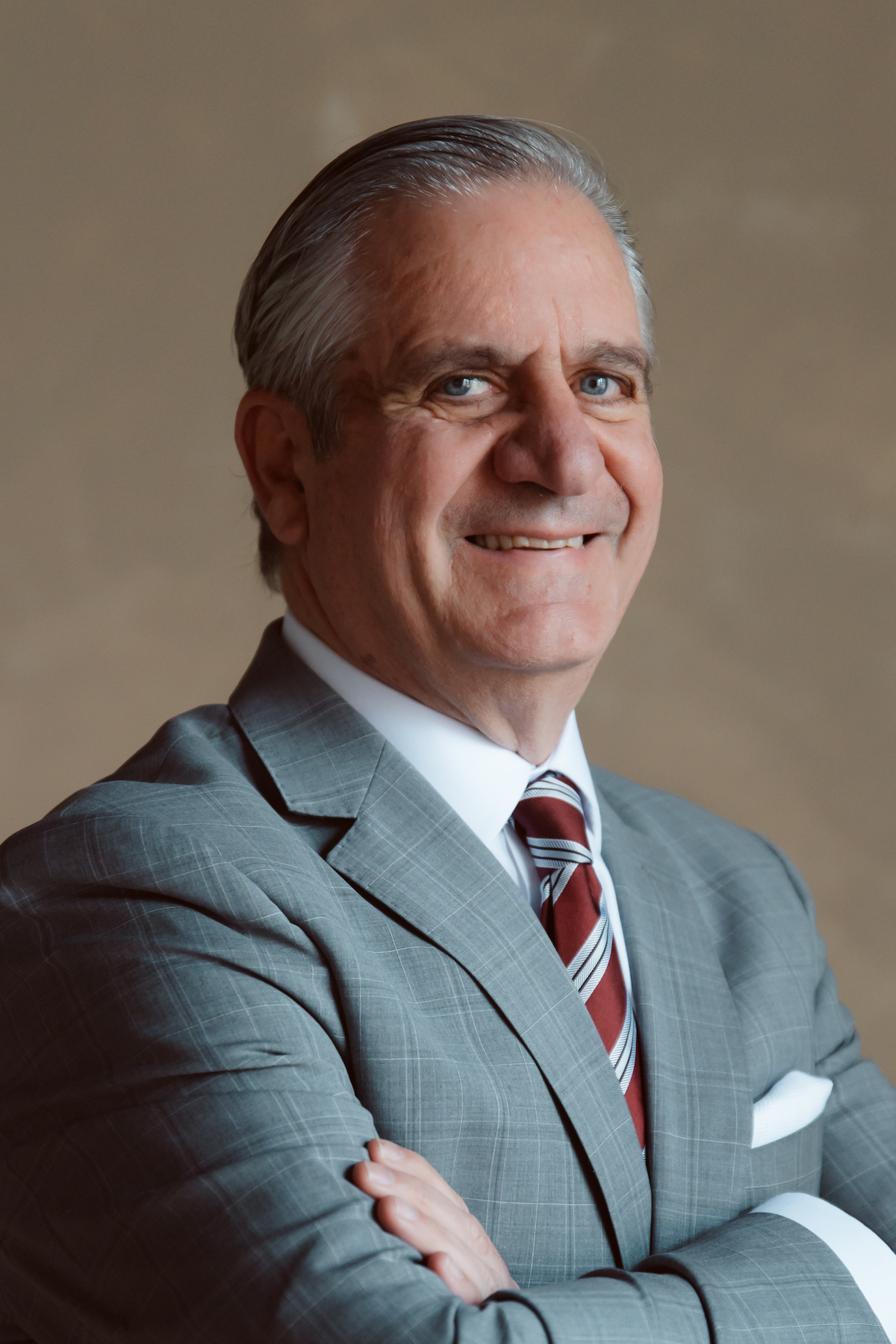
Founding Partner at Emergent
Ralph Simone has spent over a quarter of a century helping individuals and organizations transform themselves, raise their consciousness, and perform at their fullest potential.
As a Black Belt in karate and an avid reader, Ralph understands the benefits of consistent practice and continuous learning as integral parts of leadership development.
He received his B.B.A. from Siena College in 1979 with a major in accounting. He is a Certified Professional Coach, specializing in leadership and organizational effectiveness, and has amassed over 15,000 paid client coaching hours.
An accomplished writer and sought-after speaker, Ralph is currently writing a book entitled Slow Down to Go Faster. He also published Making It Stick and The Daily Re-Tweet.
Credentials and Certifications
- Myers-Briggs Type Indicator
- The 7 Habits of Highly Effective People – Facilitator
- Emotional and Social Competency Inventory
- Leadership Agility
- Leadership Development Framework
- Performance Dynamics Specialist
- Leadership Circle Profile
Special Skills
- Leadership Coaching
- Leadership Development
- Business Development and Marketing
- Relationship Management